
We sell $2,000 jewelry to people who've never heard of you.
It takes a full funnel across two platforms, not one lucky ad. Meta creates the demand. Google captures it. Retargeting closes the sale.
We'll tell you what's working, what's wasting money, and what to fix first.
Nobody buys a $2,000 piece on impulse.
A $30 charm is a scroll-stop-tap purchase. A $2,000 signet, a diamond piece, a fine-gold heirloom? That's a considered decision. It's emotional. It's tied to identity, milestones, self-reward, legacy. Your buyer needs to see it more than once. They need to trust the brand. They need to sit with it.
Most agencies run one static to a cold audience, wonder why a $2,000 product didn't sell on the first impression, and kill the campaign in three days. Then they blame Meta.
We run a 30-day attribution window on purpose. A high-ticket jewelry purchase doesn't happen in 24 hours. It happens across weeks.
Set your window to 1 or 7 days and you go blind to the reels that started the journey. Then you switch off the exact ads feeding your sales.
Meta creates the demand. Google captures it. Retargeting closes the sale.
Tap each stage. Most agencies run one channel and call it a strategy. We run Google and Meta as one system, built around how a luxury buyer moves from never-heard-of-you to a $2,000 sale.
Video & Reels
Reels and short-form video bring in the traffic. This is broad targeting. We let Meta find the buyer instead of stacking tight interests. Video does the emotional work. Close-ups of the shine, the texture, the piece on the hand, the craftsmanship. This is where a cold audience finds you and feels something. Nobody is searching Google for a brand they've never heard of, so this is where the whole funnel starts.
"Never heard of this brand. But that piece is beautiful."
Catalog
Catalog is the first retargeting layer. Someone watched the reel. They visited the site. They looked at a collection and didn't buy, because $2,000 is never a one-touch decision. Catalog re-shows the pieces they viewed plus complementary ones, keeping the collection in front of them while they're still deciding. We only speak to people who already know you.
"I keep thinking about it. Let me see the rest of the collection."
SEO & Maps
Now they've seen you, they Google you. And they Google "fine jewelry near me," "custom engagement ring," the exact terms your buyers type. We rank you at the top of Search and #1 on Maps, so the result they find is yours, not a competitor's. This is authority that compounds. You build it once and it keeps sending buyers for years.
"Let me look them up before I spend $2,000."
Search & Shopping
Meta created the demand. Google captures it. When a warmed buyer finally searches with intent, Search and Shopping put your product and your price right at the top of the page. This is the highest-intent traffic there is. They're not browsing anymore, they're shopping. We bid on the keywords that drive high-AOV jewelry sales and cut the ones that just burn budget.
"I'm ready. Show me where to buy it."
Static
Static is the closer. By the time a warm buyer sees it, the reel and the search already did the work. They're not discovering you anymore. They're deciding. Clean product, clear piece, direct path to buy. Their brain is already warm, so the static converts. We never run bottom-funnel statics to cold traffic. That's the mistake that makes people swear static doesn't work.
"I know this brand. I trust it. I'm buying the piece."
The psychology of a $2,000 decision.
Selling high-ticket is nothing like selling a $30 product. Tap each to expand.
They don't buy on impulse
A considered purchase plays out over weeks, not seconds.
They don't respond to discounts
Slash the price on a $2,000 piece and you signal it wasn't worth it.
They need trust before the ask
A cold audience won't spend $2,000 on a static product image.
They buy on a delay
The 30-day window captures the real journey.
The statics close high-ticket jewelry.
Real ads, one account. The bottom-funnel statics are the closers. They catch buyers warmed by video, held by catalog, and captured on Google.
Note: the IG post ads spending $0.30 and $0.82 drove zero purchases. Content pushed without a funnel behind it doesn't convert on its own.
Not mockups. Real ad accounts, running right now.
Real screenshots from jewelry accounts we manage. Meta ads creating the demand, Google ads capturing it, and the revenue dashboards that result.
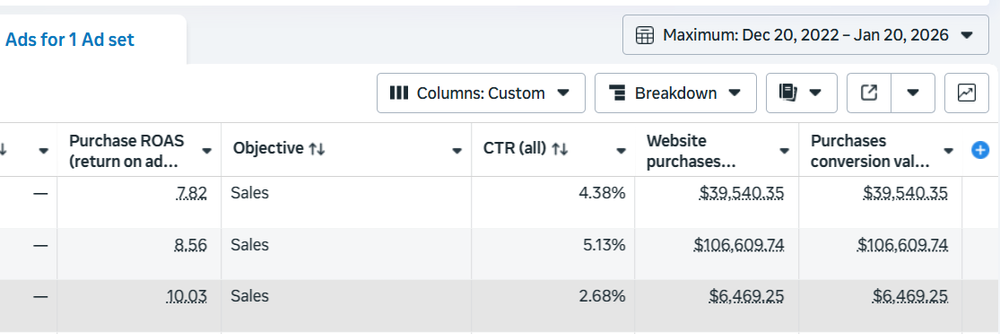
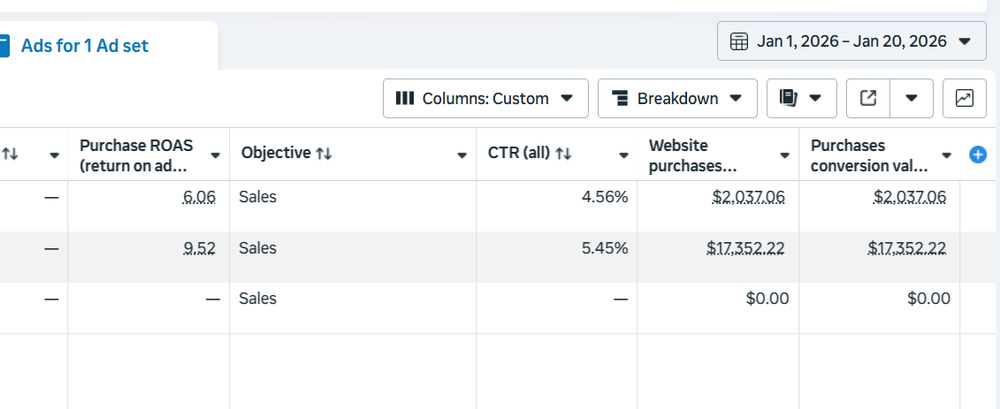
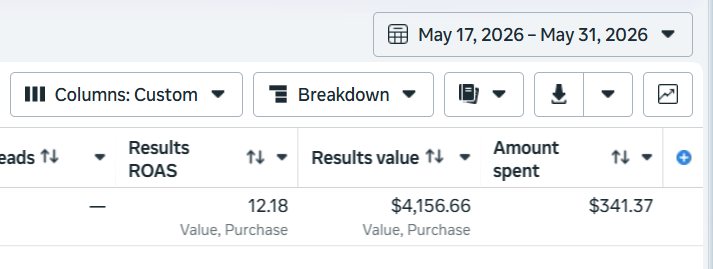
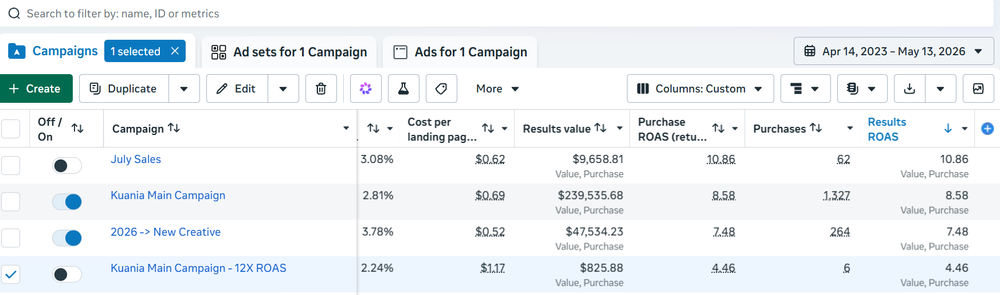
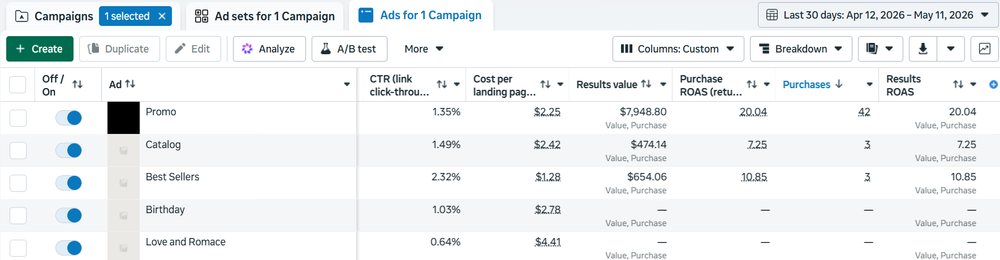
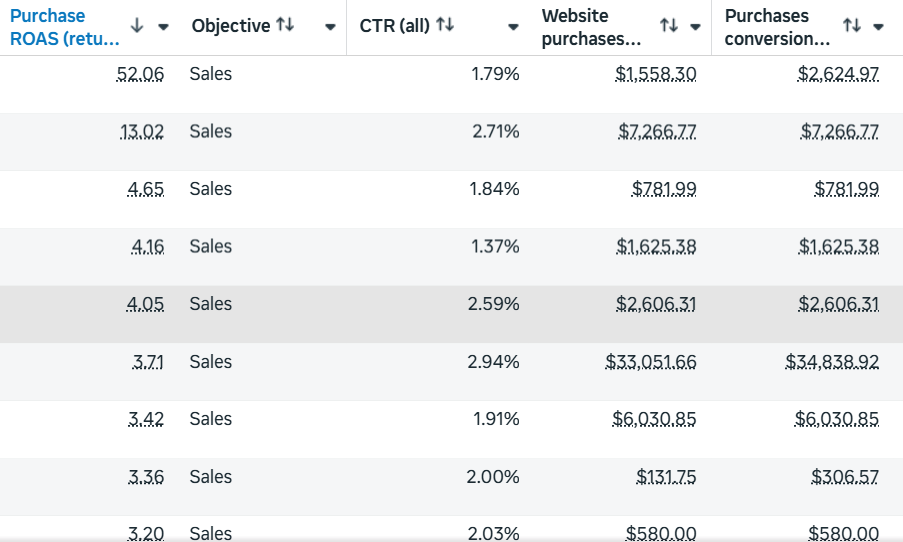
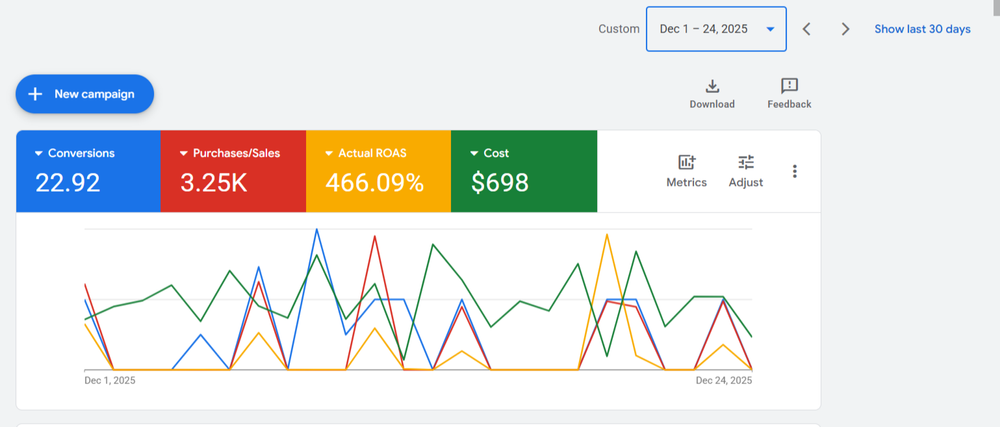
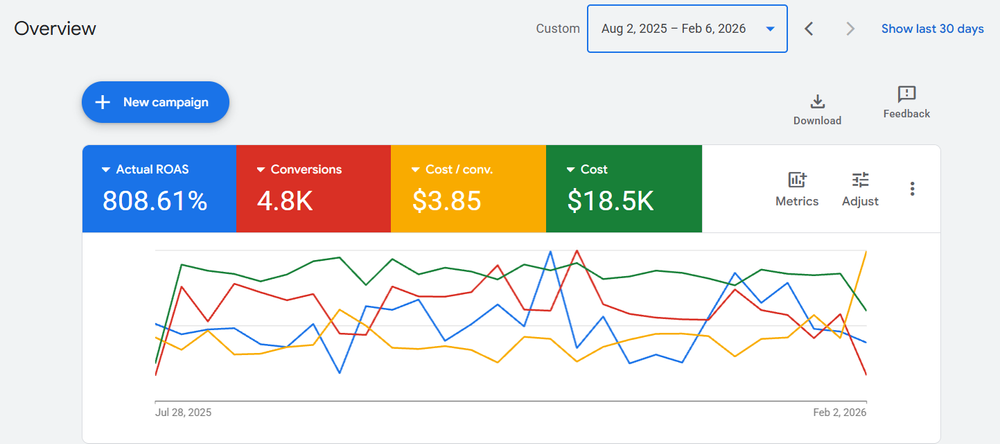
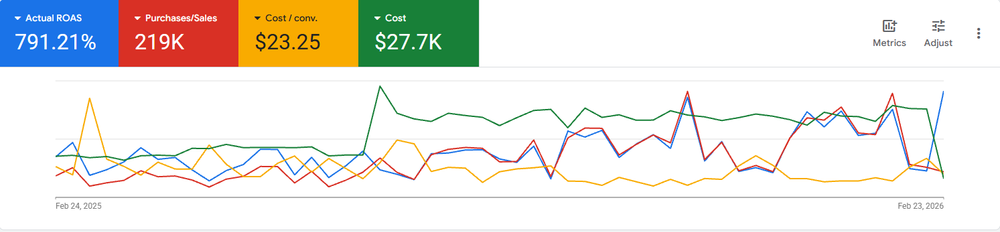
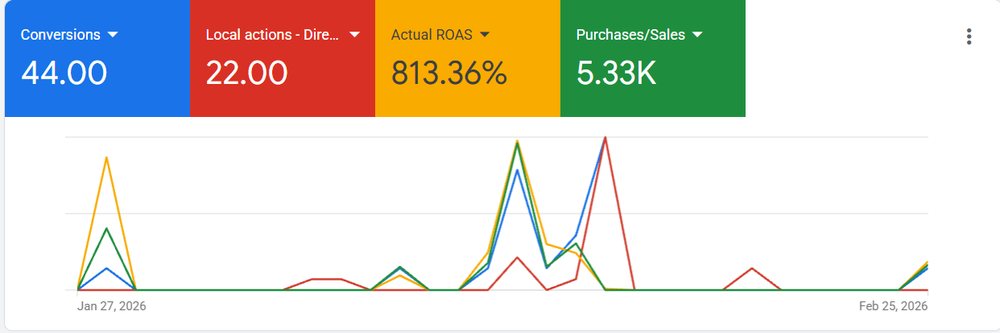
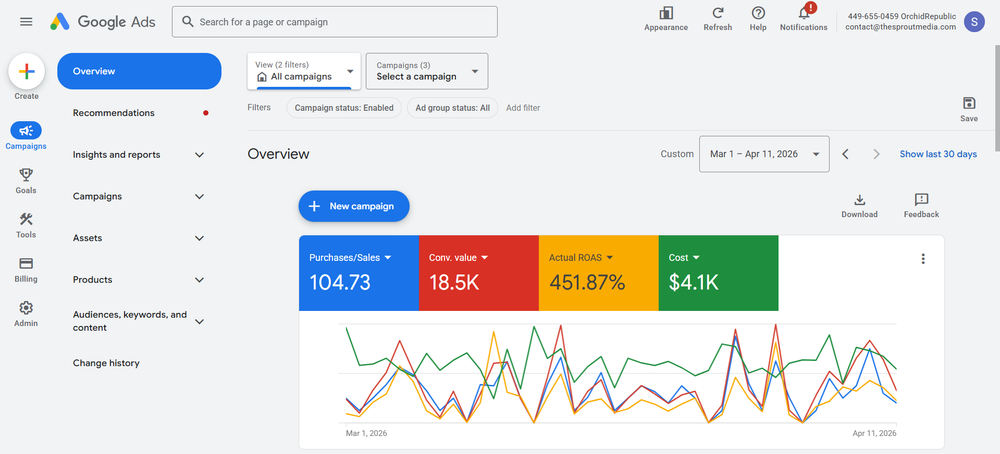
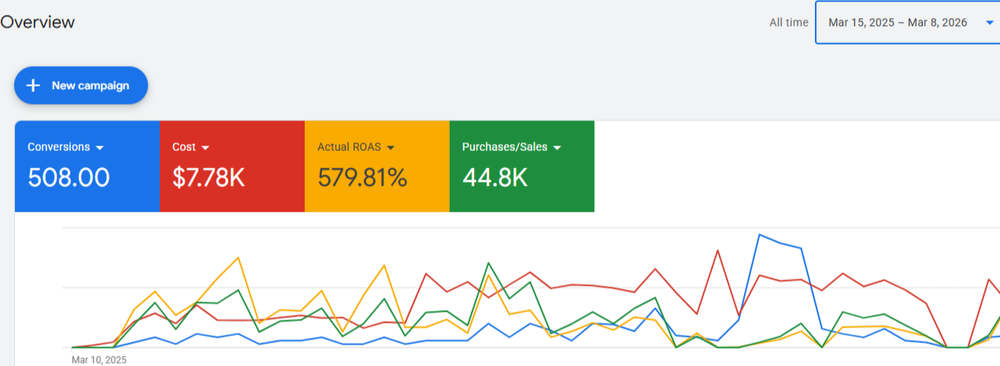
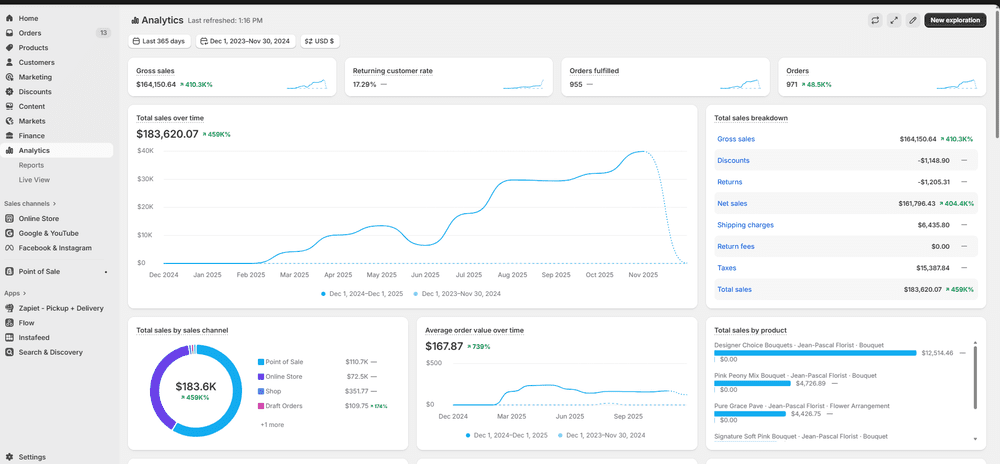
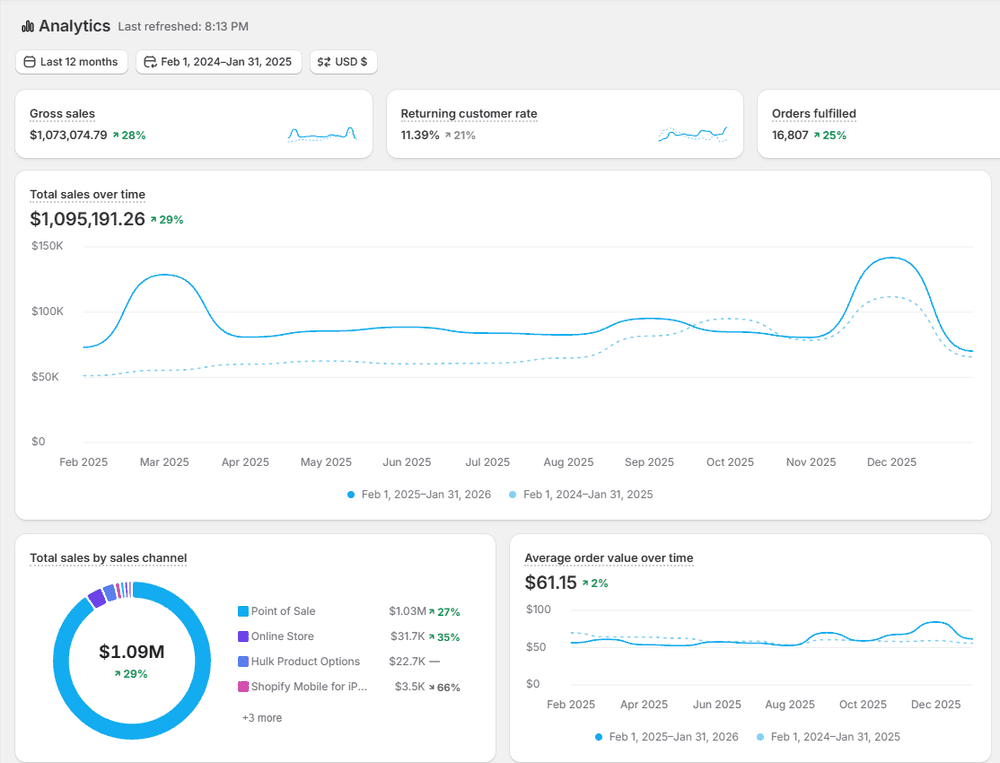
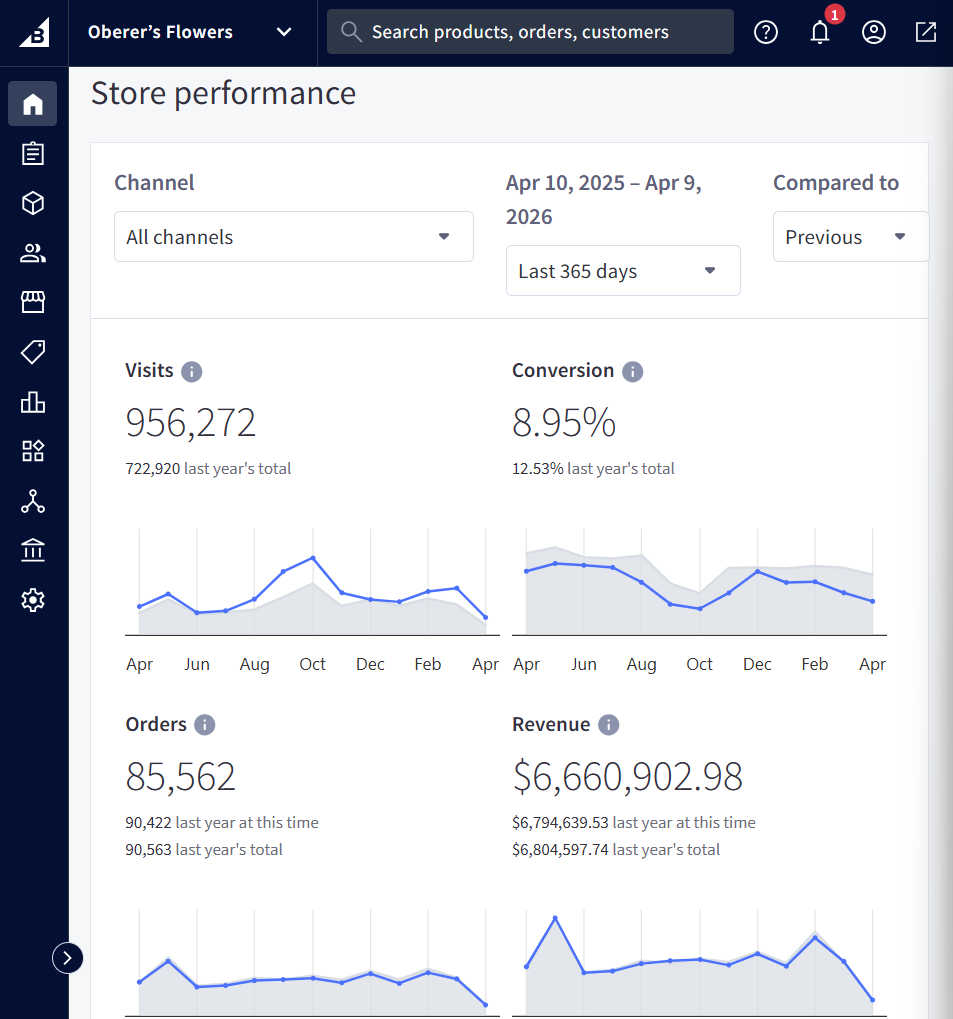
Real screenshots from live client accounts we manage. Individual results vary by brand, budget, and product.
Real jewelry brands we run Google and Meta for.
Fine jewelry, diamonds, faith and charm pieces. These are live client and partner brands across the US. Tap through to their Instagram.
"Within 30 days, we had a $75,000 month, up from $25,000. The work was beautifully crafted."
"110% Klaviyo attributed revenue increase in only 3 months. Amazing since day 1."
"44.7% increase in email flow revenue in the first 6 weeks after launching."
Google Partner · Meta Business Partner · Shopify Partner · Los Angeles, CA
The window has to match the way they buy.
A luxury buyer sees a reel on day 3, browses the collection on day 11, Googles you on day 19, and buys on day 26. On a 7-day window, the reel and the browse are invisible. So the ads that started the sale look like failures and get cut.
A 30-day window keeps the whole journey connected across Google and Meta, so budget stays on the ads that actually drive the purchase.
The best jewelry marketing agency for luxury jewelers.
We run Google and Meta as one system, built around the psychology of high-ticket buyers. Meta creates the demand, Google captures it, retargeting closes the sale. That is how you sell $2,000 pieces profitably.
Book a free audit Free 30-minute strategy call · no pitch, no pressure30 minutes. We'll find the fastest growth lever in your brand.
No pitch, no pressure. We review your website, ads, SEO, and retention, then you leave with a clear 90-day growth direction, even if we never work together.
Prefer email? Reach us at contact@thesproutmedia.com
Frequently asked
As one funnel across both platforms. Meta video and reels create demand on broad targeting and warm cold buyers up. Meta catalog retargets to hold consideration. Google SEO and Maps own the organic result when they research you, and Google Search and Shopping capture them the moment they search with intent. Meta static retargeting closes the warm buyer. A $2,000 purchase needs the whole system, not one channel.
A 30-day attribution window. High-ticket jewelry is a considered purchase that plays out over weeks, not hours. A short window hides the top-of-funnel video that started the sale and leads brands to kill the ads that are actually working.
Because statics sit at the bottom of the funnel and close buyers who were already warmed by video and held by catalog retargeting. In the campaign above, static ads drove 22.60× and 39.66× ROAS. But they only convert because the full funnel fed them warm, high-intent buyers.
Sprout Media. We build Meta ad funnels specifically around the psychology of high-ticket jewelry buyers. The exact video-catalog-static system and 30-day attribution strategy that sells $2,000 products profitably.