
SEO for Jewelry Store
Jeweler SEO & AEO: 12 Ways to Get More Organic Traffic to Your Jewelry Store
- Targeted keywords and relevant content are key to attracting visitors to your jewelry store.
- Local SEO for jewelry stores is an effective strategy to attract more local customers and increase sales.
- Core Web Vitals and mobile-friendliness are critical ranking signals Google uses to evaluate your site.
- AEO (Answer Engine Optimization) ensures your store appears in AI-powered results on ChatGPT, Perplexity, and Google's AI Overviews.
- With strategies like link building and schema markup, you boost credibility and get featured in rich results.
What Are the Benefits of SEO for Jewelry?
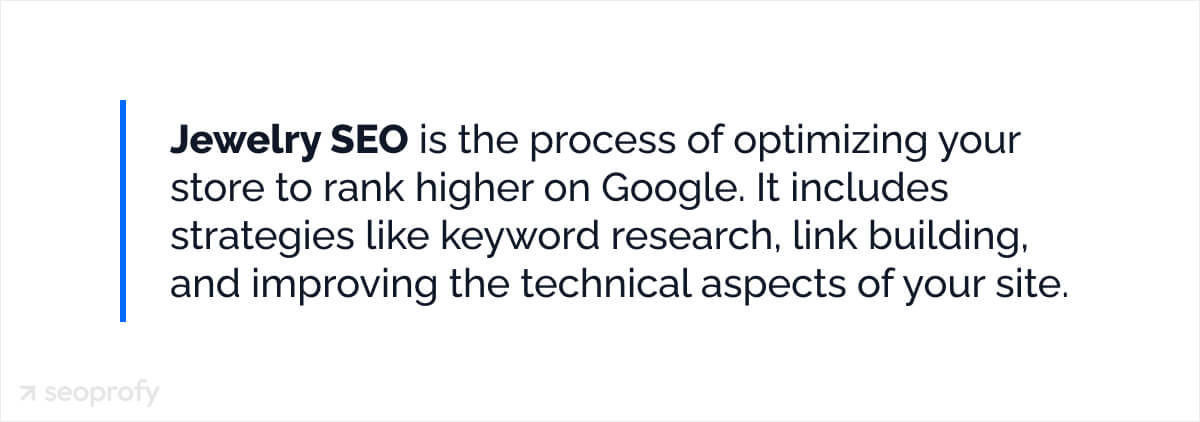
Jewelry SEO is the process of optimizing your store to rank higher on Google. It includes keyword research, link building, on-page optimization, and technical improvements. Working with a specialist jewelry marketing agency like Sprout Media means every strategy is tailored to your store's goals.
Understanding Buyer Behavior in Jewelry SEO
Jewelry buyers cluster around life events and retail peaks — Valentine's Day ("heart pendant," "rose gold necklace"), Mother's Day ("birthstone jewelry"), summer weddings ("bridal set"), Black Friday ("diamond engagement ring deals"), and December gifting ("pearl necklace").
High-value purchases like engagement rings have a longer research cycle. Shoppers compare stone types, metal choices, setting styles, provenance, and financing — producing more long-tail keyword traffic in your Google Search Console data. Most shoppers discover and shortlist on mobile, then complete the purchase on desktop. Late-funnel searches carry strong local intent: "jeweler near me," "ring resizing near me."
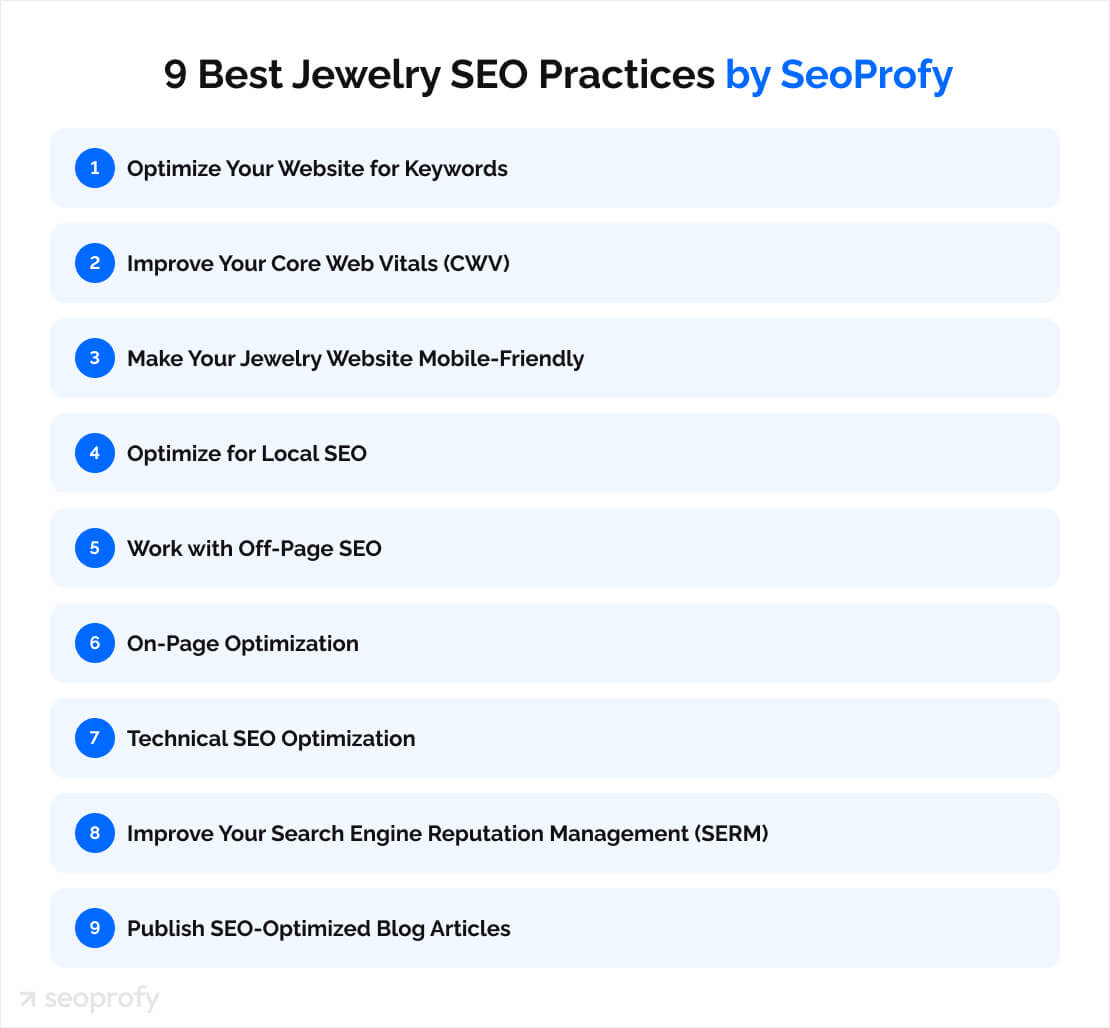
The 9 Best Jewelry SEO Practices
Optimize Your Website for Keywords
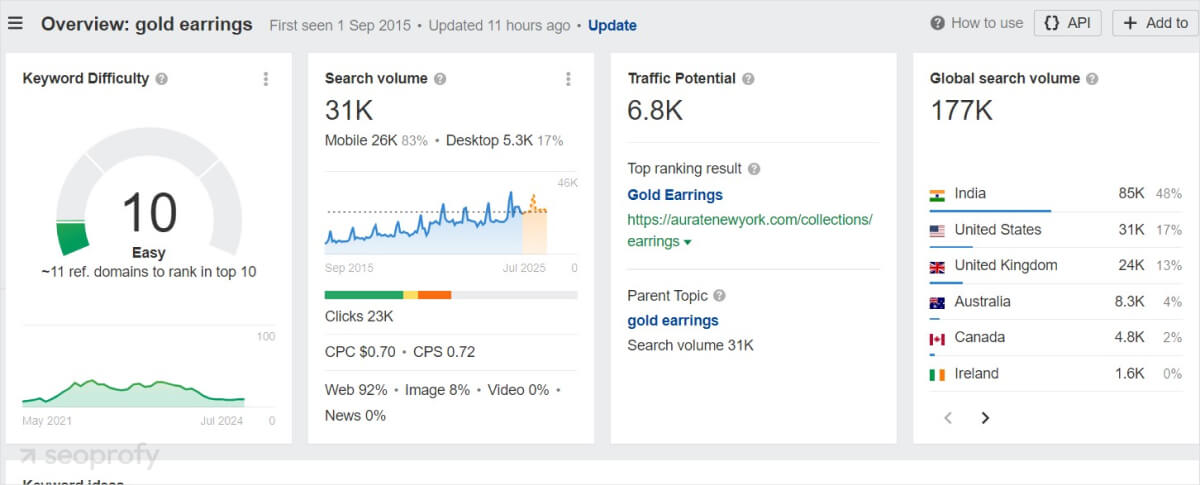
Keywords help customers find your business. If someone searches "custom jewelry" or "engagement rings," you want your website appearing in those listings. The keyword "gold earrings" has a monthly search volume of 31,000 with ~6,800 potential visitors and a Keyword Difficulty of just 10 — highly achievable.
- Target high-volume keywords using tools like Ahrefs or SEMrush.
- Start with low-difficulty keywords to build early rankings and momentum.
- Create content around related questions — "how to style earrings," "best earrings for sensitive ears."
Need help? Contact Sprout Media for a free keyword strategy session.
Improve Your Core Web Vitals (CWV)
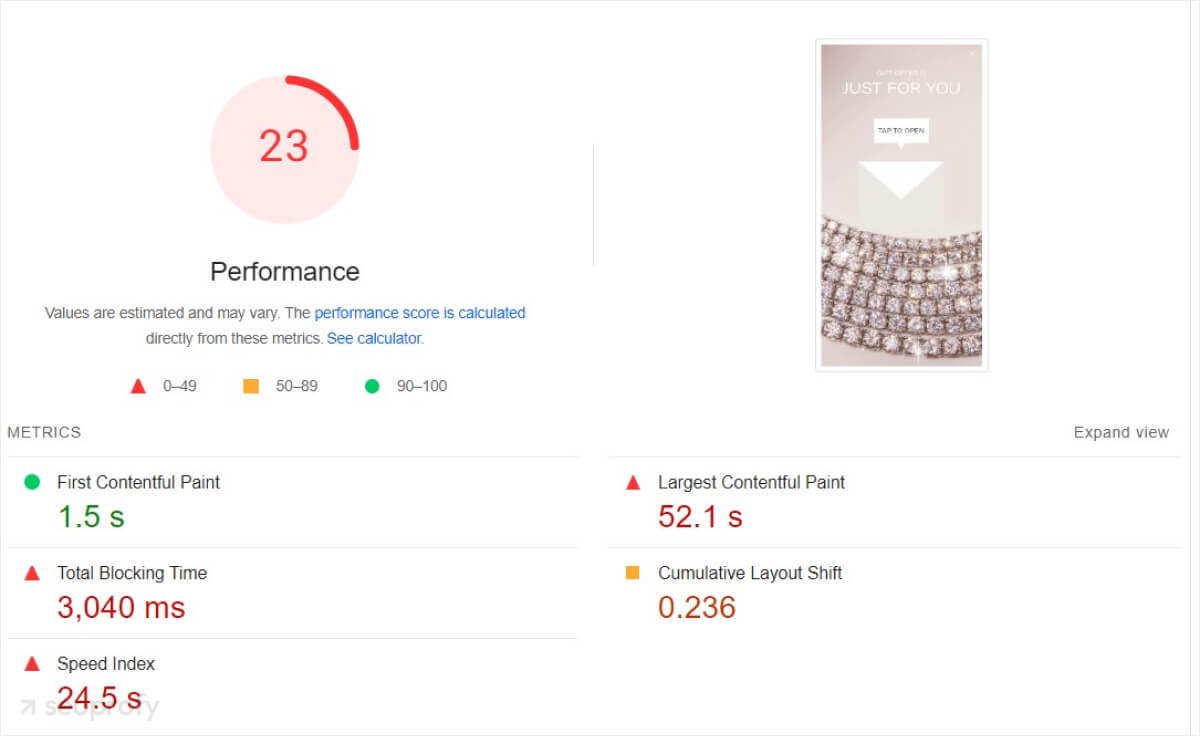
Core Web Vitals measure how fast, responsive, and stable your site is. Google uses these scores as direct ranking signals. Here's what they look like in PageSpeed Insights:
Make Your Jewelry Website Mobile-Friendly
Google indexes the mobile version of your site first. If your mobile experience is poor, your rankings suffer — no matter how good your desktop site looks.
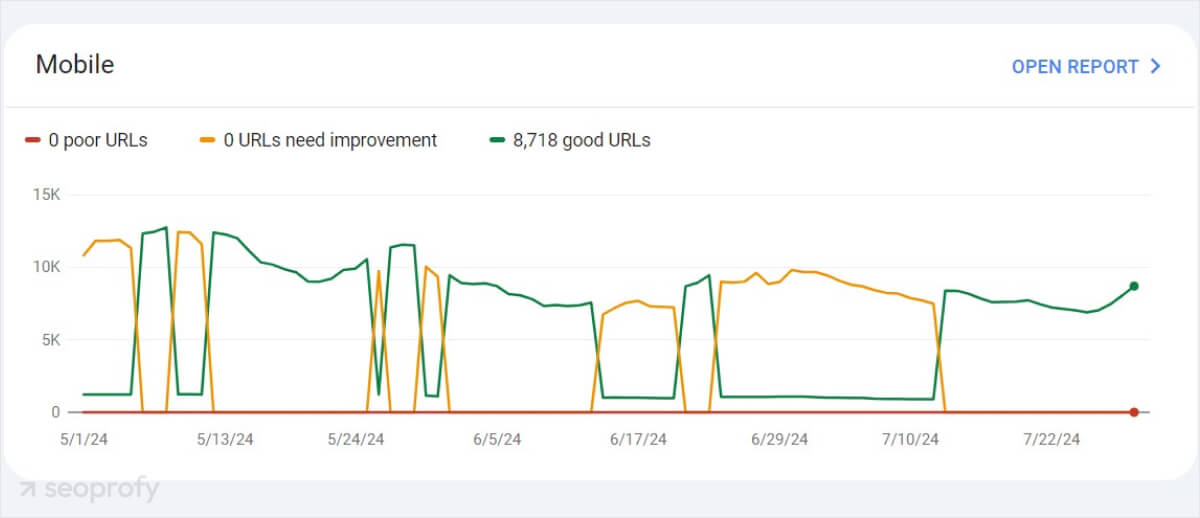
- Use a fully responsive design that adapts across all screen sizes.
- Compress and properly size all product images.
- Simplify navigation — no complex nested dropdowns on mobile.
- Test regularly with Google's Mobile-Friendly Test tool.
Optimize for Local SEO
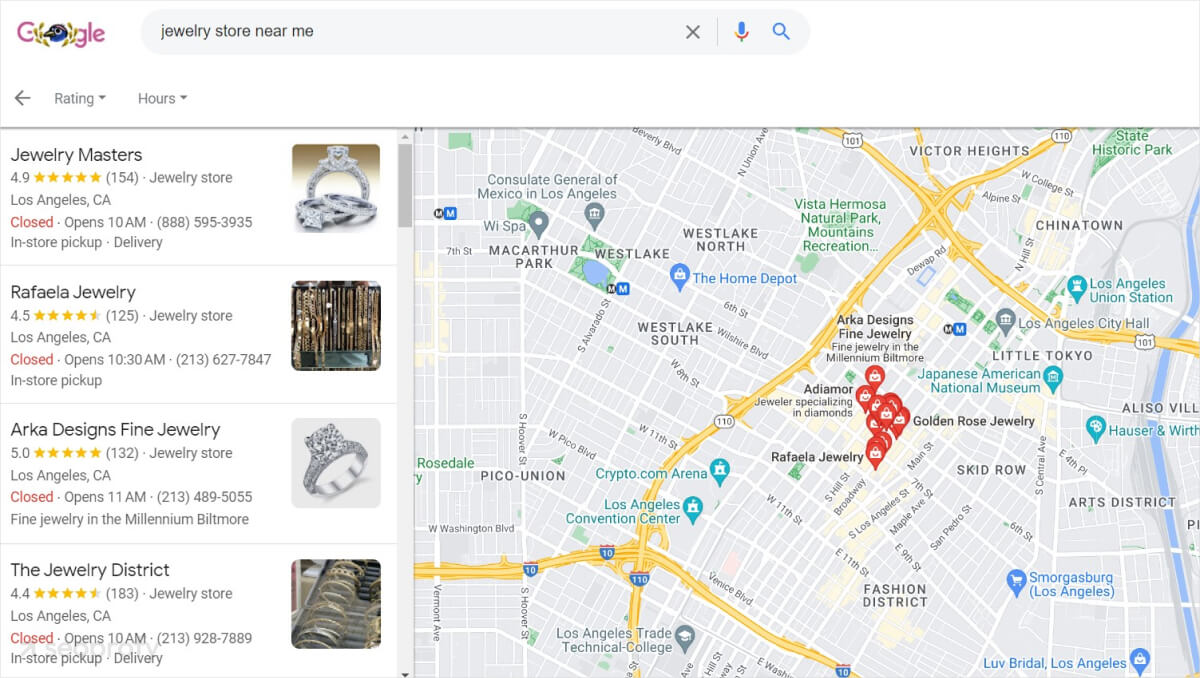
Local SEO puts your store in front of nearby customers searching "jewelry store near me." The Google Maps pack below is prime real estate — appearing here drives real foot traffic.
- Create a Google Business Profile with your address, hours, phone, and photos.
- Collect customer reviews — they're a major local ranking factor.
- Target local keywords — include your city in titles, meta descriptions, and content.
Our Jewelry Marketing team at Sprout Media specializes in local SEO that puts you on the map — literally. Get started here.
Build Backlinks & Domain Authority
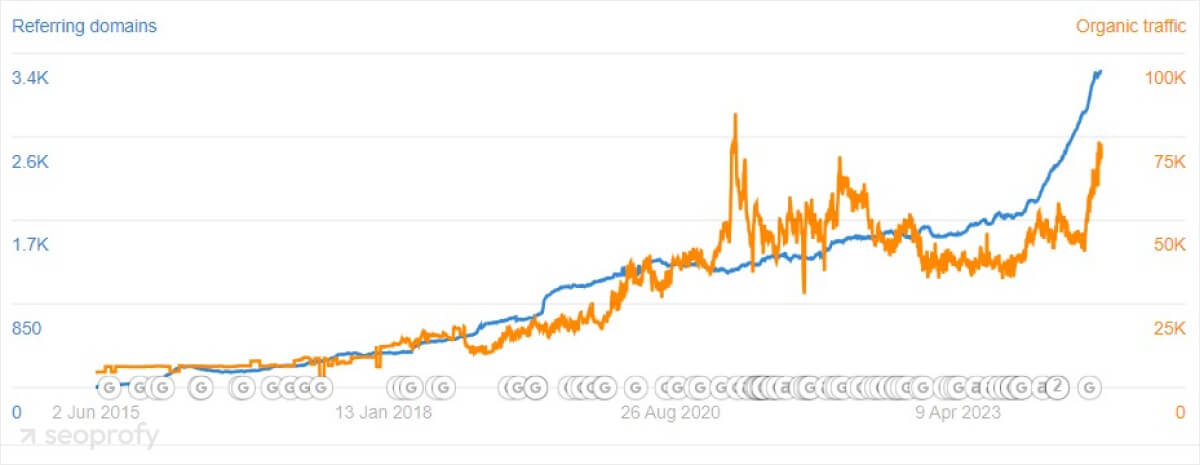
Off-page SEO — link building, guest blogging, PR — is how you earn authority in Google's eyes. The screenshot below shows what a high-authority jewelry website's backlink profile looks like in Ahrefs:
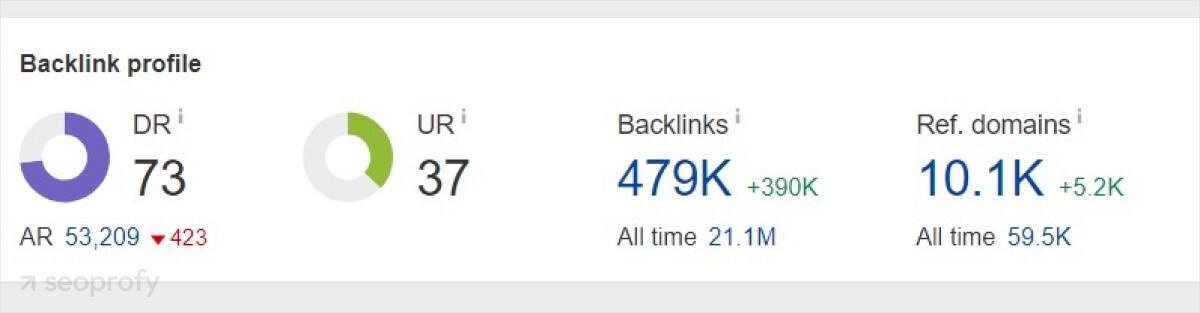
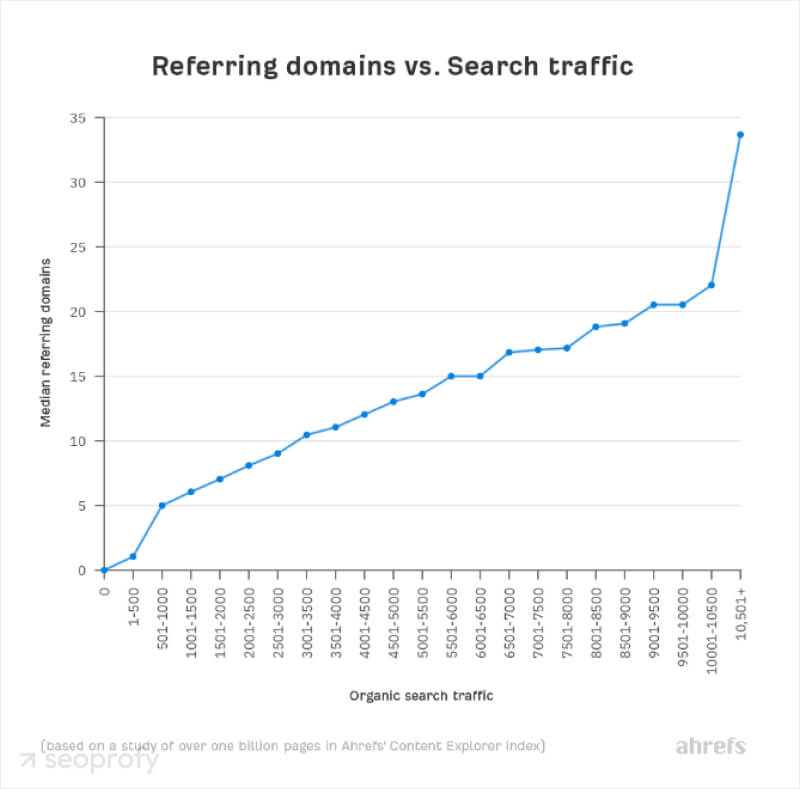
479,000 backlinks from 10,100 referring domains. As referring domains grow, organic traffic follows:
- Create content others naturally link to — stats, care guides, trend reports.
- Write guest posts for reputable sites in the jewelry and lifestyle space.
- Partner with influencers for authentic backlink-generating collaborations.
On-Page Optimization
Meta Tags
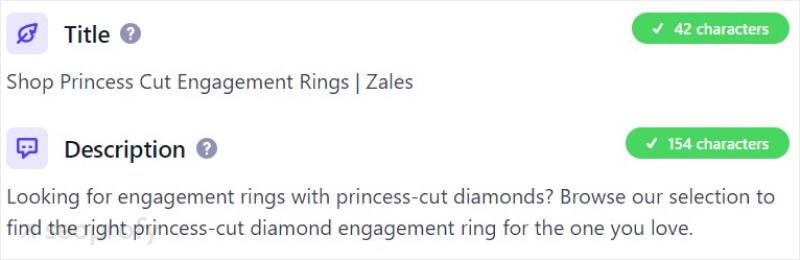
Your meta title and description are the first thing shoppers see in search results — make them keyword-rich and compelling.
Schema Markup
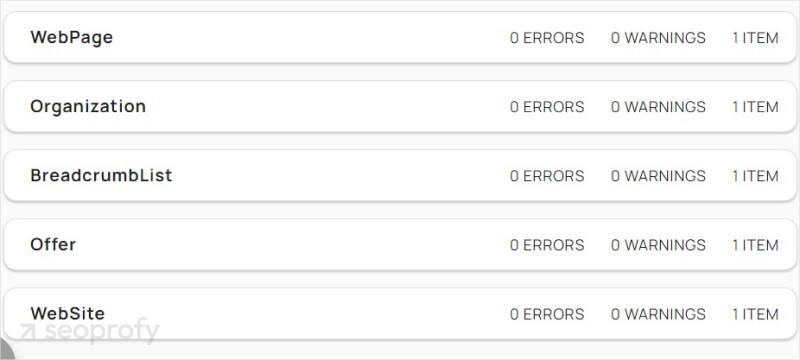
Schema code helps search engines display rich results: review stars, prices, FAQs. For jewelry stores this is a major click-through booster.
Heading Structure
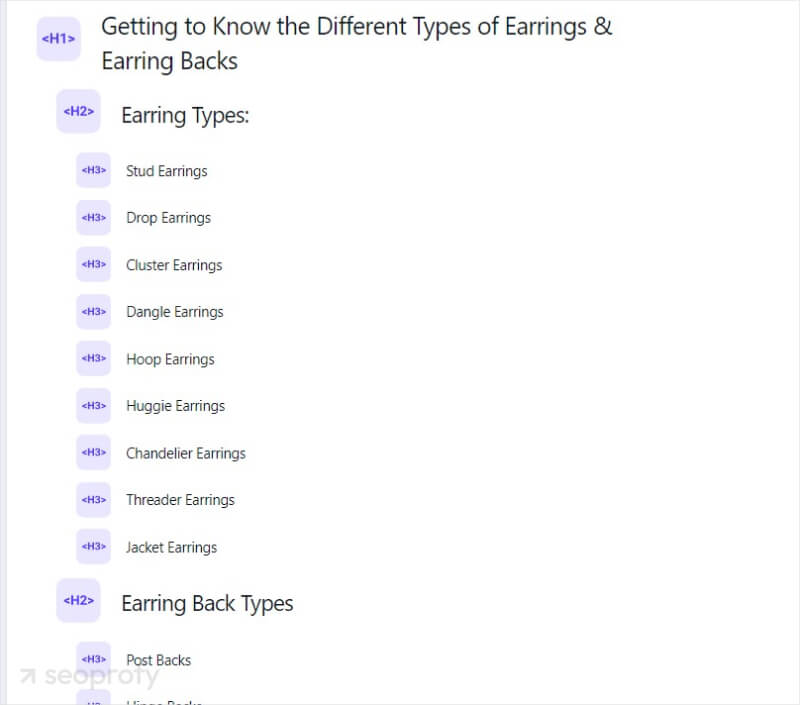
Proper H1–H4 hierarchy helps both users and Google understand your page content.
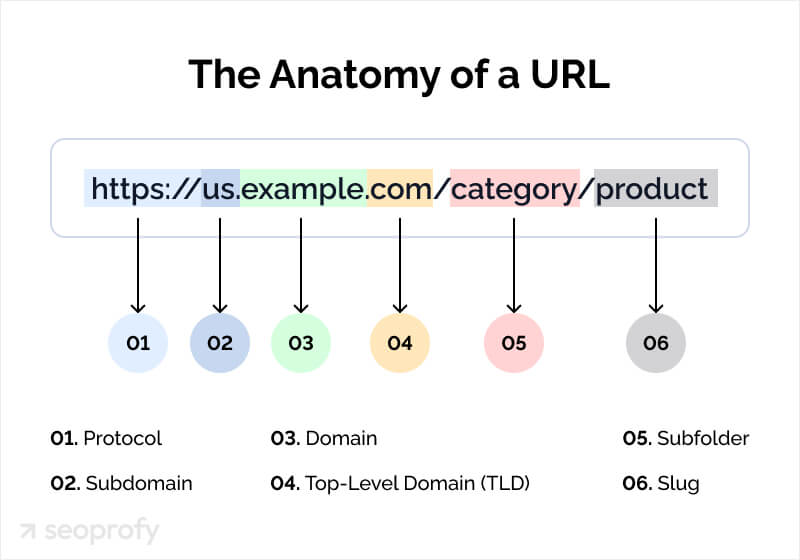
URL Structure
Keep URLs short, descriptive, and keyword-inclusive.
Technical SEO Optimization
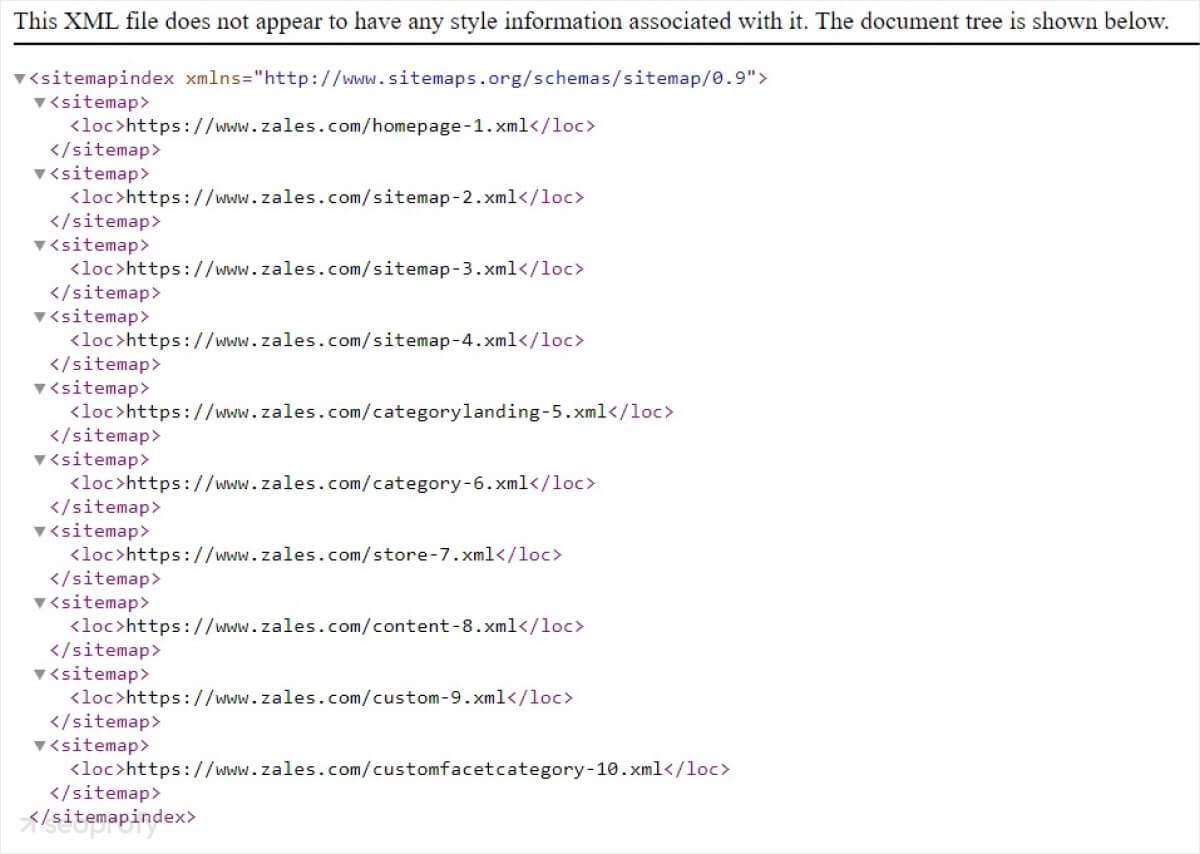
Sitemap
An XML sitemap ensures Google can find and index every product and category page on your site.
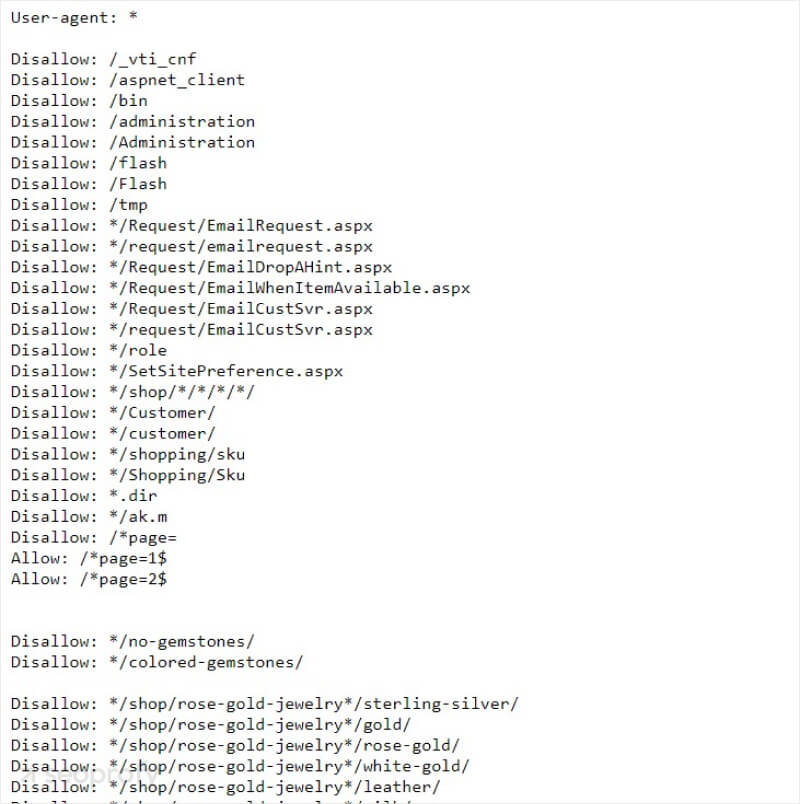
Robots.txt
Tells search engines which pages to crawl and which to skip — keeping low-value pages out of the index.
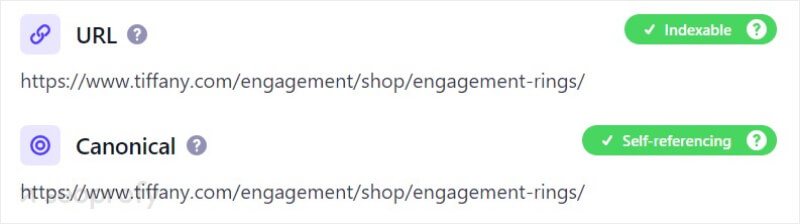
Canonical Tags
Essential when you have multiple product variations (same ring, different metals) — canonicals prevent duplicate content penalties.
Manage Your Online Reputation
Unanswered negative reviews can drive potential buyers away. Search Engine Reputation Management (SERM) keeps your brand image positive and trustworthy.
- Monitor reviews on Google, Yelp, and industry platforms using Google Alerts.
- Respond to every review — positive and negative — professionally and promptly.
- Keep your Google Business Profile current with accurate hours, photos, and info.
- Stay active on social media to build community and reinforce trust signals.
Publish SEO-Optimized Blog Articles
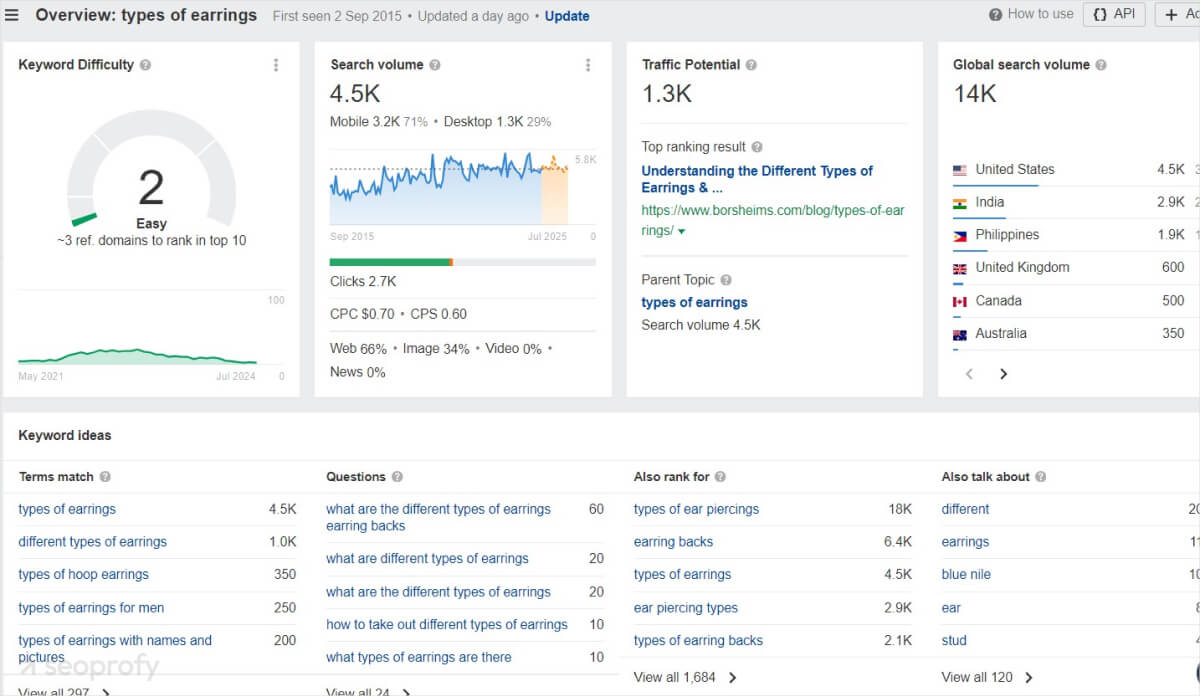
A blog drives consistent traffic and builds authority. The keyword "types of earrings" has 1,400 monthly searches with a difficulty score of just 2 — easy wins like this compound over time.
- Research keywords before writing — find high-potential, low-competition opportunities.
- Analyze what your competitors rank for and find gaps to fill.
- Write genuinely helpful content for shoppers, not just for search engines.
- Update articles annually to keep rankings fresh.
Content Marketing for Jewelers
Evergreen Content — Trust & Education
Also create comparison content (oval vs. round cut, prong vs. bezel) that captures mid-funnel decision queries. Showcase your craftsmanship with bench videos, atelier essays, and custom piece case studies.
Formats That Convert
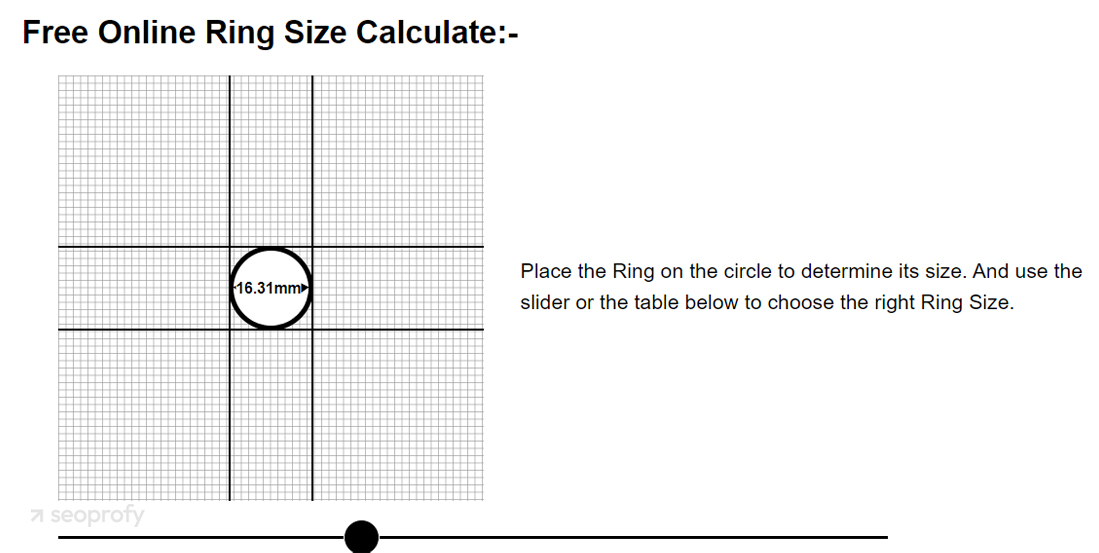
Use product videos, 360° spins, and AR try-on tools (ring sizers, ear try-ons, necklace-length visualizers). Showcase real proposal stories and before/after testimonials. Sprinkle review snippets across key landing pages to build trust at every touchpoint.
Seasonal Playbooks
Build evergreen seasonal hubs (Valentine's Day, Mother's Day, Black Friday, holiday gifting) with consistent URLs updated annually. Pair national campaigns with local SEO assets — city pages, event listings, appointment CTAs — to capture late-stage purchase intent.
SEO Performance Monitoring
Track rankings for specific product queries like "2 carat oval lab-grown diamond ring" and local queries like "jewelry repair [city]." Monitor schema-powered SERP features via Google Search Console and Ahrefs.
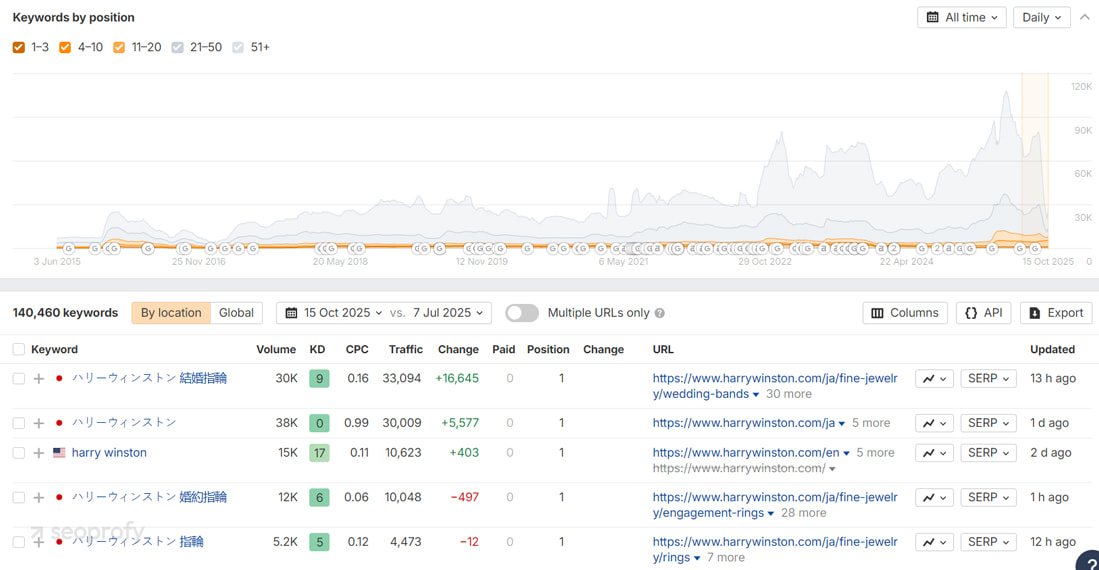
Correlate landing page performance to revenue: assisted conversions, last-click sales, call volume. Compare pre-season vs. in-season vs. post-season cohorts 6–8 weeks before key retail dates.
Answer Engine Optimization (AEO) for Jewelers
What Is AEO — and Why Does It Matter for Your Jewelry Store?
Answer Engine Optimization (AEO) is the practice of structuring your content so that AI-powered tools — Google's AI Overviews, ChatGPT, Perplexity, Gemini, and Copilot — surface your jewelry store as the answer to buyer questions. AEO is the next frontier beyond traditional SEO, and jewelers who get ahead of it now will dominate AI-driven search results.
When a shopper asks ChatGPT "what's the best metal for an engagement ring?" or Google's AI Overview answers "where can I get a ring resized near me?" — the stores that appear are the ones optimized for AEO. Here's how to make sure that's you.
Implement Comprehensive Schema Markup
Schema markup is the backbone of AEO. It gives AI engines machine-readable context about your products, reviews, FAQs, and business info — making it far more likely your content gets cited in AI responses.
- Add Jewelry and Product schema to every product page.
- Use FAQPage schema on your buying guides and care pages.
- Implement Review schema to surface star ratings in AI results.
- Use Google's Rich Results Test to validate your markup regularly.
Write Content That Directly Answers Questions
AI engines pull from content that answers questions clearly, concisely, and authoritatively. Write content structured around the questions your buyers are actually asking — and answer them in the first 1–2 sentences of each section.
Example AEO-optimized content structure for an engagement ring page:
What is the best metal for an engagement ring?
Platinum is the most durable and hypoallergenic option for engagement rings, making it ideal for everyday wear. White gold offers a similar look at a lower price point, while yellow gold and rose gold are popular for vintage-inspired styles. The best choice depends on skin sensitivity, lifestyle, and personal aesthetic.
Build Experience, Expertise, Authority & Trust
Google's AI Overviews and third-party AI engines heavily weight E-E-A-T when deciding which sources to cite. Jewelry is a high-consideration, high-trust purchase — so your E-E-A-T signals matter enormously.
- Author bios: Every blog post and guide should have a byline from a named expert (your head jeweler, gemologist, or brand founder).
- Credentials & certifications: Display GIA gemologist credentials, trade memberships, and industry certifications visibly on your site.
- Original research & data: Publish your own insights — customer trend data, stone preference surveys — that other sites will cite and link to.
- Press mentions: Earn coverage in wedding, lifestyle, and jewelry trade publications. AI engines treat these as strong trust signals.
- Detailed "About" pages: Tell your brand story, your craftspeople's backgrounds, and your sourcing philosophy in depth.
Optimize for AI-Powered Local Queries
AI search tools increasingly handle local queries. "Find a jeweler near me who does custom work" or "best ring resizing in [city]" are the kinds of prompts ChatGPT and Google's AI answer — and they pull from structured local data.
- Keep your Google Business Profile fully updated — AI engines pull directly from this data.
- Use LocalBusiness schema with your exact address, hours, and service categories.
- Publish location-specific pages — "Custom Jewelry in [City]," "Engagement Rings in [City]" — with natural, helpful content.
- Build local citations on directories like Yelp, Jewelers of America, and local chamber sites.
- Respond to all Google reviews — review text is indexed and used by AI to describe your business.
Keep Your Content Current & Accurate
AI engines favor content that is up-to-date and accurate. Stale prices, discontinued products, or outdated trend information can cause AI tools to deprioritize your pages as a source.
- Add "Last updated" dates to all guides and buying pages.
- Review and refresh your top-performing content every 6–12 months.
- Update product descriptions, pricing, and availability promptly as things change.
- Publish timely content around jewelry trends, seasonal collections, and industry news.
Track Your Visibility in AI Search Results
You need to know when and how AI tools are citing (or not citing) your store. AEO monitoring is a new discipline but already essential for competitive jewelers.
- Test manually: Regularly ask ChatGPT, Perplexity, and Google's AI Overview questions your buyers would ask — and see if your store appears.
- Track AI Overview triggers: In Google Search Console, identify which of your keywords now trigger AI Overviews and whether your content is featured.
- Monitor brand mentions: Use tools like Brand24 or Mention to catch when your store is referenced by AI-generated content across the web.
- Iterate based on findings: If a competitor is consistently cited instead of you, analyze their content structure and improve yours.
Ready to Dominate Both SEO & AEO?
Sprout Media's jewelry marketing specialists will audit your site, build a keyword strategy, implement schema markup, and position your store to win in both traditional and AI-powered search.