
How to do Product Launces Using Email and SMS marketing
How to Do Product Launches the Right Way With Email and SMS
One of our e-commerce clients had a record-breaking month last month — and it came down to executing a product drop with two strategies most brands skip entirely.
The difference between a launch that flatlines and one that breaks records is rarely the product itself. It is almost always the pre-launch sequence. Here is exactly how Sprout Media structures product launches for our clients.
The 3-Phase Email and SMS Launch Playbook
Most brands send one launch email and wonder why it underperforms. What actually drives results is a coordinated sequence that builds anticipation over three weeks, warms your deliverability, and rewards your most engaged subscribers before anyone else.
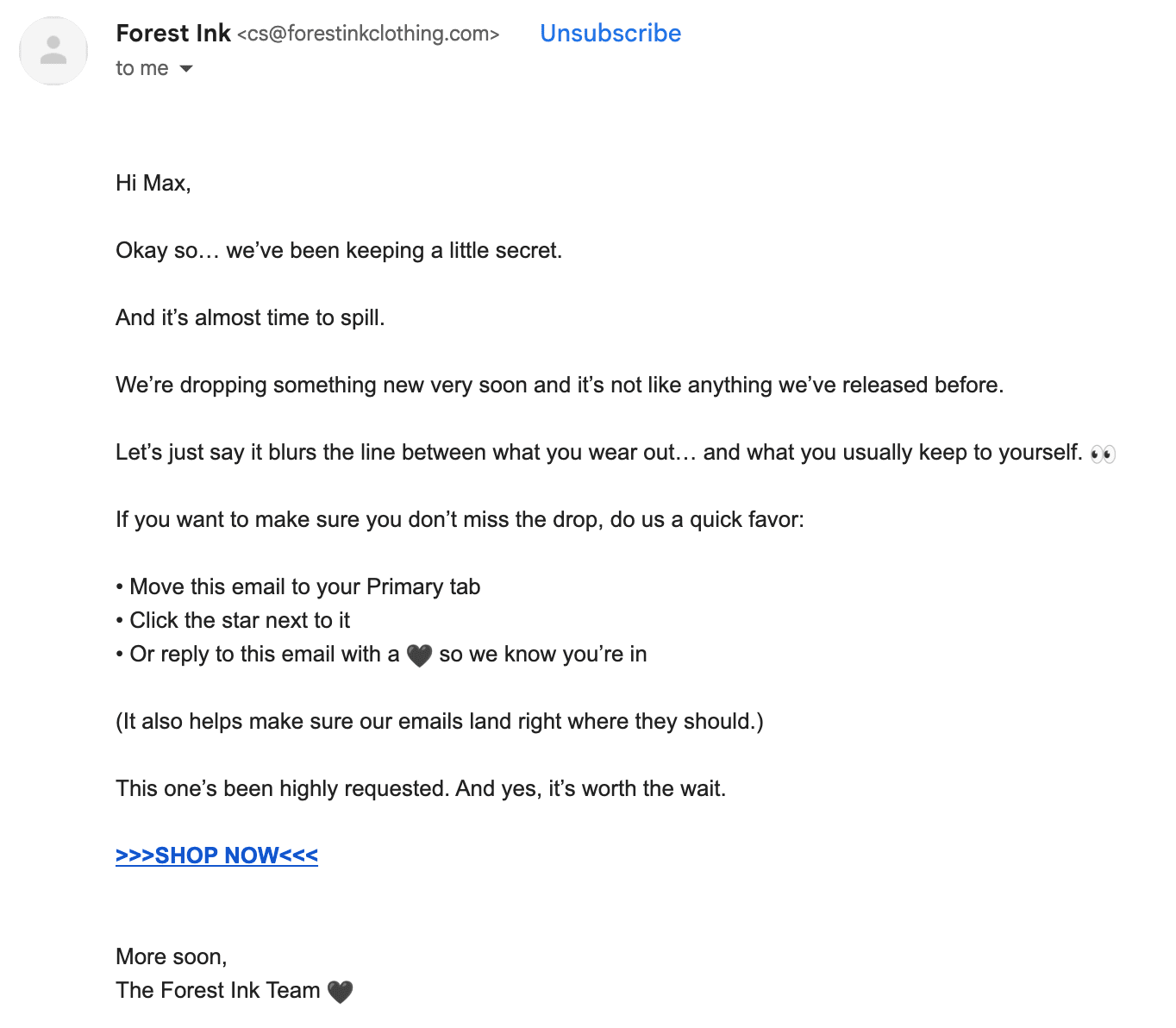
Subtle Campaign Mentions
- Add a banner at the top of your regular campaign emails hinting at what's coming
- Include a P.S. at the bottom — something short that builds curiosity without revealing the product
- Push organic social traffic to your email and SMS list by promoting early access
- Keep mentions brief — the goal is intrigue, not announcement
This phase serves two purposes: it conditions your audience to pay attention to your emails and it gives people a reason to join your SMS list. Advertise the SMS early access benefit prominently during this window.
Deliverability Booster Teaser Emails
- Send 1–2 dedicated teaser emails in the final week before launch
- Use a high-engagement "deliverability booster" format — these drive strong open and click rates that signal inbox providers your emails are wanted
- Create a curiosity gap: "Something new is coming. It's not like anything we've released before."
- Send at least one dedicated graphic teaser email
- Do not reveal too much — the goal is to amplify anticipation, not satisfy it
The deliverability booster email is one of the most overlooked tools in a product launch. By generating high engagement in the days before your main drop, you improve inbox placement for the launch email itself. Better deliverability means more eyes on your launch day message.
"Try not to reveal too much on the teasers. Create a curiosity gap. Something new is coming. It's not like anything we've released before."
SMS Early Access, Then Full Drop
- SMS goes out first — and the copy must make clear this is exclusive early access
- Frame the SMS as the reward for being on your text list
- Follow with the full product drop email to your entire list
- Promote the SMS early access benefit in your pre-launch emails so subscribers have a reason to opt in
SMS conversion rates are significantly higher when subscribers feel they are receiving something genuinely exclusive. The framing matters as much as the timing — make sure your SMS copy communicates that they are first and that this access is not available yet to everyone else.
Product drops fail when nobody knows they're coming. Build anticipation with subtle mentions and 2 dedicated teasers. Reward your SMS list with early access. Then launch to everyone else.
Why This Strategy Works
The sequence above is not theory — it is built on what Sprout Media has observed across hundreds of ecommerce campaigns. The brands that see record launch days are not the ones with the best products on launch day; they are the ones who have been building momentum for three weeks before anyone can buy.
Pre-launch attention is a compounding asset. Every subtle mention trains your subscribers to watch for what is coming. Every teaser email drives engagement that lifts your sender reputation. And when SMS early access goes out, the groundwork has already been laid — subscribers are primed, excited, and ready to convert.
Email Inspiration: Turning Education Into Engagement
One brand that executes this well is De Soi, whose campaigns demonstrate how product education can become interactive. Their "Two Truths and a Lie" email format stops the scroll by making the reader an active participant. The format creates genuine curiosity — you want to know which statement is wrong — and the reveal does the selling naturally. Tactics like these are worth studying and adapting for your own launch campaigns.
Frequently Asked Questions
These are the questions brands most commonly ask Sprout Media about email and SMS product launch strategy.
Sprout Media recommends starting 2–3 weeks before launch with subtle mentions embedded in your regular campaign emails — a banner at the top or a P.S. at the bottom. This builds curiosity without overexposing the product before you are ready to sell.
A deliverability booster email is a high-engagement teaser sent approximately one week before launch. It is designed to generate strong open and click activity, which signals to inbox providers that your emails are valuable — improving placement for your main launch email when it matters most.
Yes. SMS should go out first on launch day and must be clearly framed as exclusive early access. This rewards your text list subscribers, drives immediate conversions before the broader list is notified, and reinforces the value of staying subscribed to your SMS channel.
Most product launches fail because there is no pre-launch sequence. A single launch email to a cold audience — with no prior mentions, no teasers, no built anticipation — cannot generate the momentum needed for a record day. The launch email is the final step, not the whole strategy.
Sprout Media recommends 1–2 dedicated teaser emails in the week before launch, in addition to the subtle mentions in regular campaigns 2–3 weeks prior. At least one of the dedicated teasers should be a graphic-led email to create a visual impression of the product's identity.
Ready to Plan Your Next Product Drop?
Sprout Media helps ecommerce brands build launch sequences that convert. Our strategies are drawn from $200M+ in ecom revenue — including full email and SMS playbooks, 250+ editable templates, and hands-on campaign support.
Talk to Sprout Media → No obligation. We'll audit your current launch strategy for free.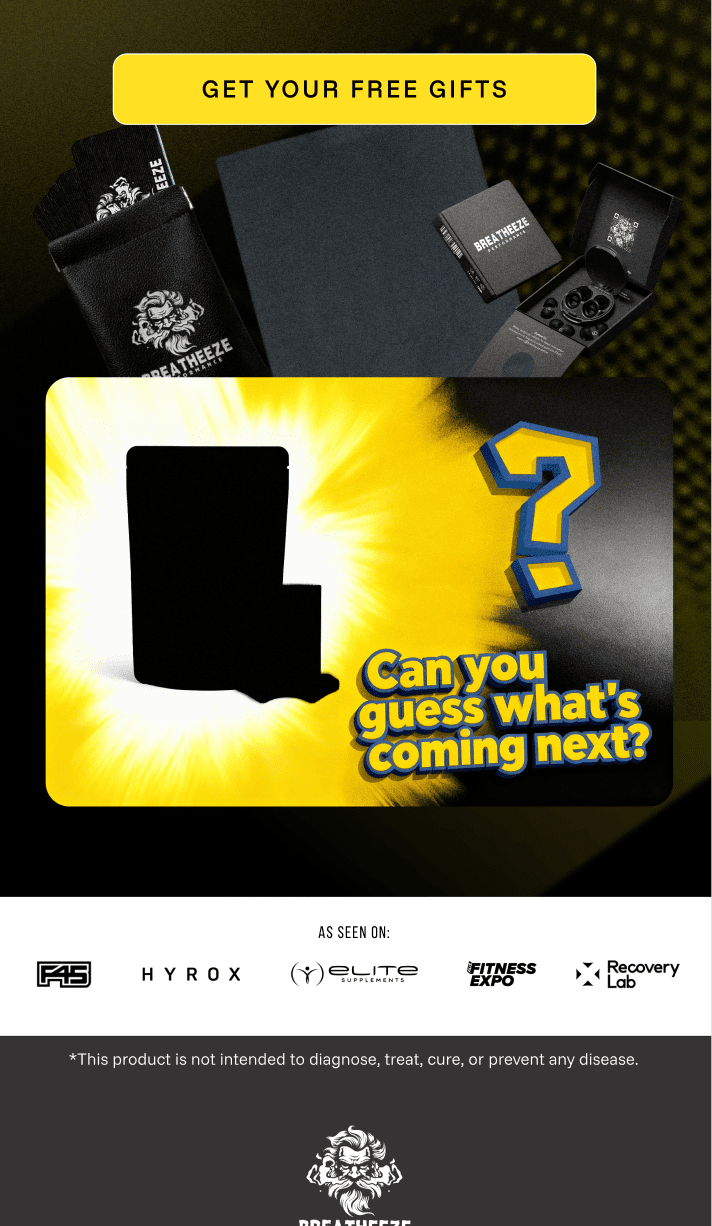
2-3 Weeks Out: Subtle Mentions In Campaigns
1 Week Out: Deliverability Booster Email